As UK summers become warmer, many businesses are looking for cooling solutions that are more affordable to run than traditional air conditioning. Evaporative cooling is often promoted as a low-cost, energy-efficient alternative, but does it actually work in the UK's climate?
The short answer is yes, but with some important limitations.
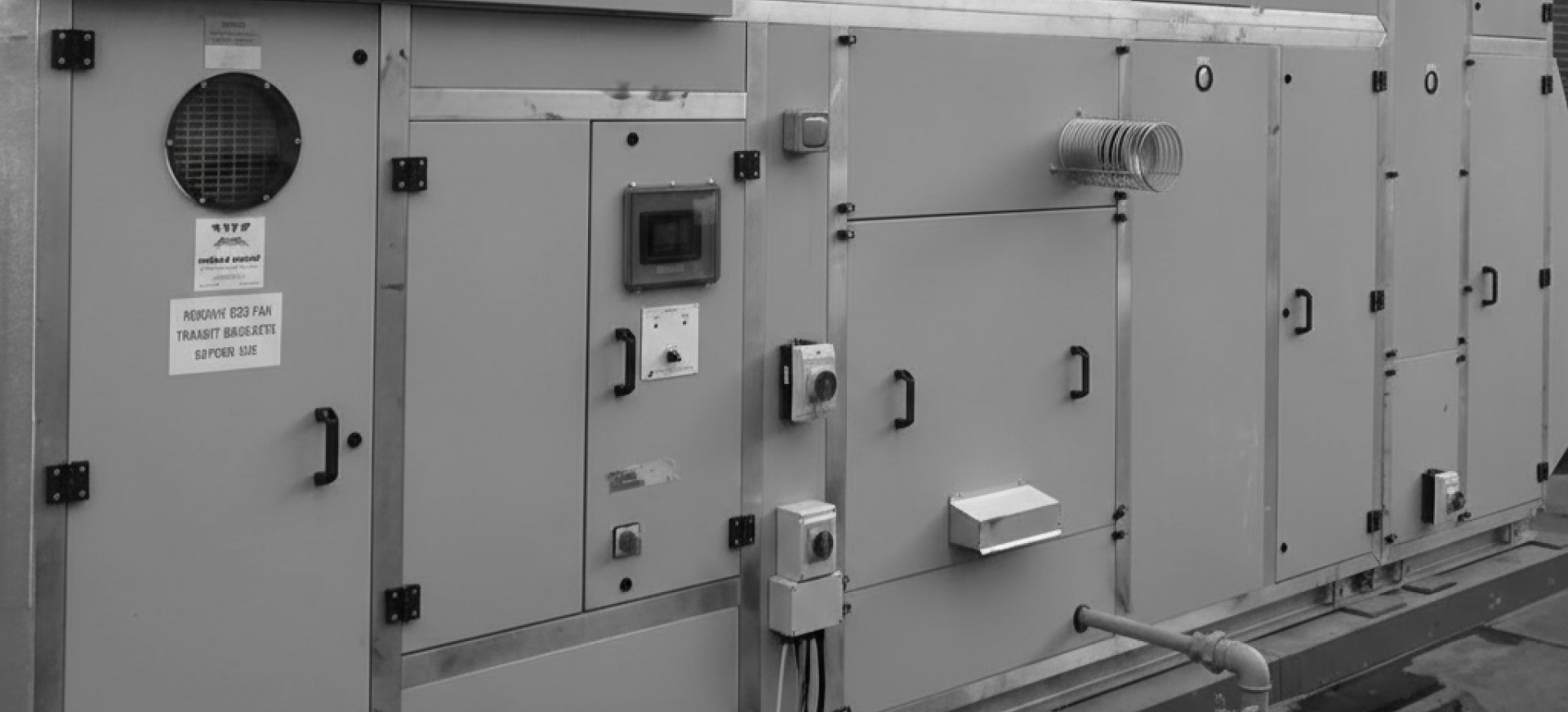
Evaporative cooling works by drawing warm air through water-saturated cooling pads. As the water evaporates, it absorbs heat from the air, reducing its temperature before it is supplied into the building. Unlike conventional air conditioning, evaporative coolers do not use refrigerants or energy-intensive compressors.
This simple process makes evaporative cooling significantly cheaper to operate than many traditional cooling systems.
The effectiveness of evaporative cooling depends heavily on humidity levels. The drier the air, the greater the cooling effect. When humidity rises, the air has less capacity to absorb moisture, reducing cooling performance.
This is where the UK presents a challenge. While Britain experiences increasingly warm summers, it also has relatively high humidity compared to hotter, drier regions such as southern Europe, the Middle East or the American Southwest.
In many parts of the UK, evaporative cooling can still provide useful temperature reductions during warm weather, particularly in:
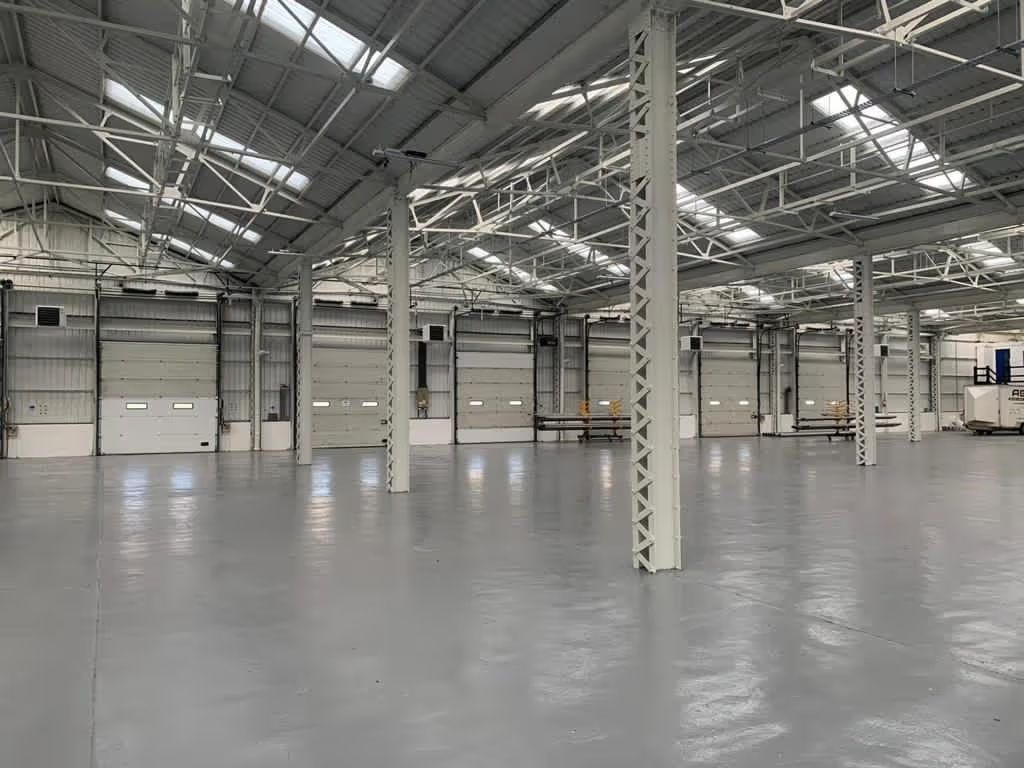
These environments often benefit from high air movement and fresh air ventilation, making evaporative cooling a practical solution.
Humidity is the biggest factor affecting performance.
Typical evaporative systems deliver their best results when relative humidity is below around 50%. As humidity climbs above 60-70%, cooling performance reduces significantly.
For example:
This means evaporative cooling is often most effective during hot, dry periods and less effective during humid or thundery conditions.
One of the biggest advantages of evaporative cooling is energy efficiency.
Because there is no refrigeration cycle, systems primarily use electricity to power fans and water pumps. This can result in substantially lower operating costs than compressor-based air conditioning systems.
For large industrial and commercial buildings, the savings can be particularly attractive where cooling is required across extensive floor areas.
Evaporative cooling typically uses far less electricity than traditional air conditioning.
Unlike many air conditioning systems that recirculate indoor air, evaporative coolers continuously introduce fresh outside air into the building.
Many evaporative cooling systems are simpler and less expensive to install than full air conditioning systems.
The technology uses water as the cooling medium and avoids high-GWP refrigerants often found in conventional cooling systems.
While evaporative cooling has clear advantages, it is not suitable for every application.
Cooling performance varies according to outdoor temperature and humidity. On particularly humid days, results may be limited.
Direct evaporative cooling increases indoor humidity levels, which may not be desirable in certain environments.
Evaporative cooling can improve comfort significantly, but it does not typically achieve the same precise temperature control as refrigerated air conditioning.
For many UK commercial and industrial buildings, evaporative cooling can offer an effective and economical way to reduce indoor temperatures while maintaining good ventilation. However, building design, occupancy levels, heat loads and local climate conditions all play an important role in determining suitability.
The best way to determine whether evaporative cooling is right for your premises is through a professional site survey and assessment of your building's operational requirements.
If you're considering evaporative cooling for your warehouse, factory, workshop or commercial premises, ABS can help. Our team provides free, no-obligation site surveys across the UK, helping you identify the most effective and energy-efficient cooling solution for your building.
Warm Air and Radiant Heating Specialists