Warm air heating explained
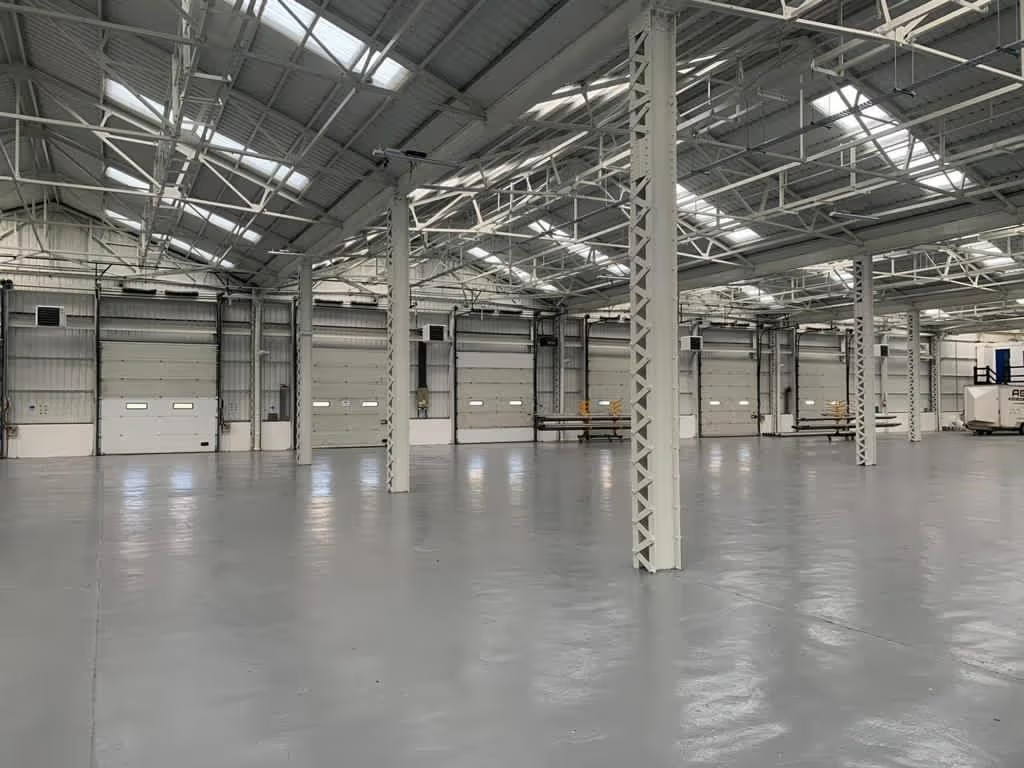
Warm air heating is a method of space heating in which air is heated by a unit heater and then circulated through the building. In commercial and industrial properties, warm air heaters are commonly suspended at high level or positioned to deliver heated air directly into large open areas.
The system can heat a space relatively quickly and can be used in warehouses, factories, workshops, sports halls, showrooms and many other commercial buildings.
How a warm air heater works
A warm air heater contains a heat source and a fan. The heat source raises the temperature of the air passing through the unit, and the fan distributes that air into the building. Depending on the equipment and installation, the fuel or energy source may include gas, oil or electricity.
Controls regulate when the system runs and the temperature it is trying to maintain. Modern installations may also include zoning, optimum start/stop functions, building-management integration or fan-only operation where appropriate.
Why ceiling height matters
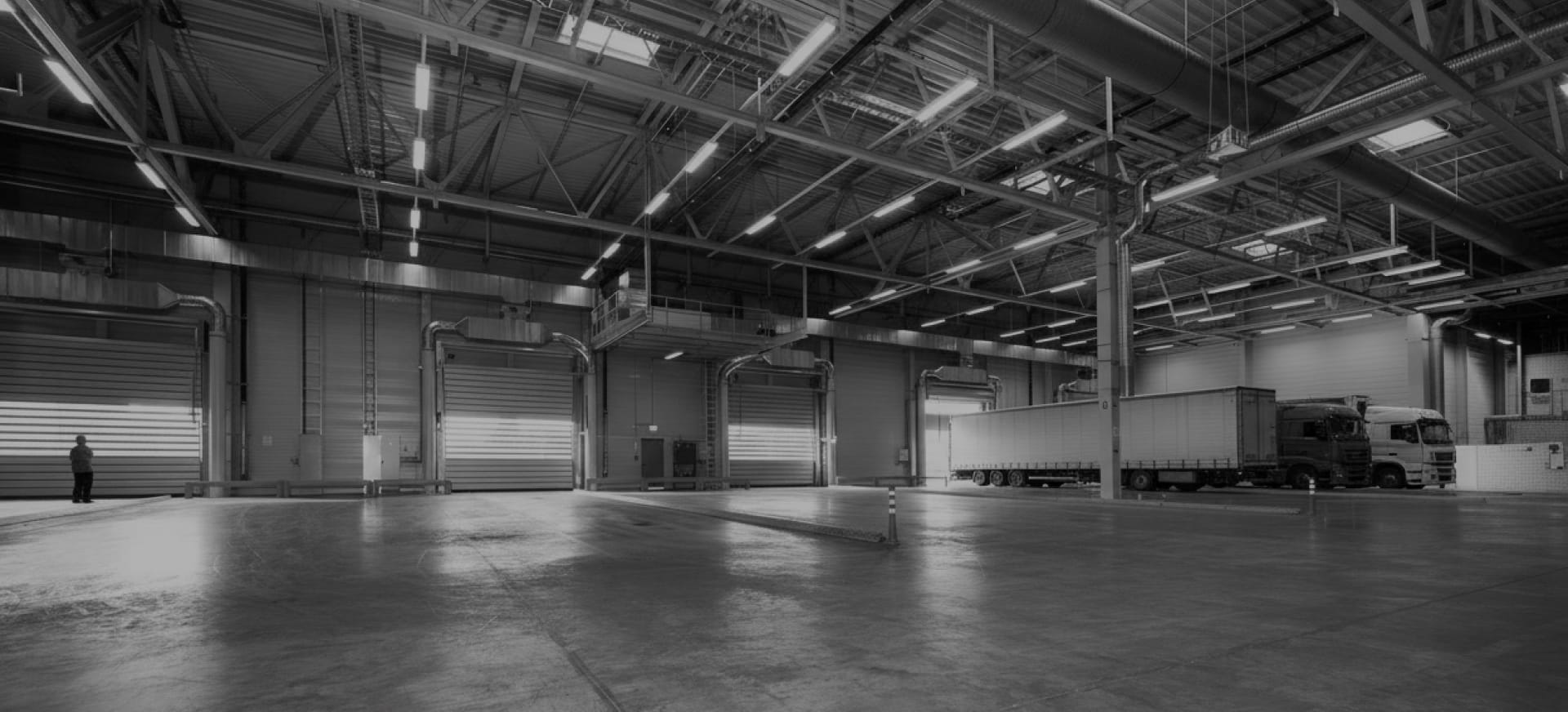
In a high building, warm air naturally rises. This can create a temperature difference between the occupied zone and the roof space, known as stratification. If it is not managed, the heating system may continue running while useful heat remains trapped above the people who need it.
Destratification fans are often used to move this warm air back down into the occupied zone. Correct heater position, airflow pattern and controls are also important parts of the design.
When warm air heating works well
Warm air heating is particularly useful where a large area needs to be heated consistently and reasonably quickly. It can be suitable for warehouses, production areas, workshops, retail spaces, sports facilities and other buildings with large open volumes.
It can also be a practical replacement route where a building already has warm air equipment and the existing layout, gas supply, flues or control positions can be reused or adapted.
Warm air versus radiant heating
Warm air heating raises the air temperature and distributes it through the space. Radiant heating works differently by transferring heat directly to people and surfaces.
That distinction matters in high or draughty buildings. Radiant heating can be attractive for defined working zones or areas with frequent air changes, while warm air may be better where the whole space needs a more uniform air temperature. Some sites use a combination of technologies.
Maintenance and replacement
Commercial warm air heaters should be inspected and maintained in line with the equipment, fuel type, usage and applicable safety requirements. Servicing can identify burner, fan, control, flue, heat-exchanger and airflow problems before they develop into more serious failures.
Where an older system is becoming unreliable or inefficient, ABS can assess whether repair, component replacement or a full system upgrade is the better option.
Choosing a commercial warm air system
Correct sizing is essential. An oversized system can cycle unnecessarily, while an undersized system may struggle to recover temperature during cold weather or after large doors have opened.
ABS designs, installs, services and replaces commercial and industrial warm air systems across the UK. A free site survey can establish the building heat requirement, identify any problems with the existing installation and compare suitable options.
Warm Air and Radiant Heating Specialists